Reduced Electricity Bills
Solar energy installations may offset a portion of home energy usage and consequently reduce overall costs.
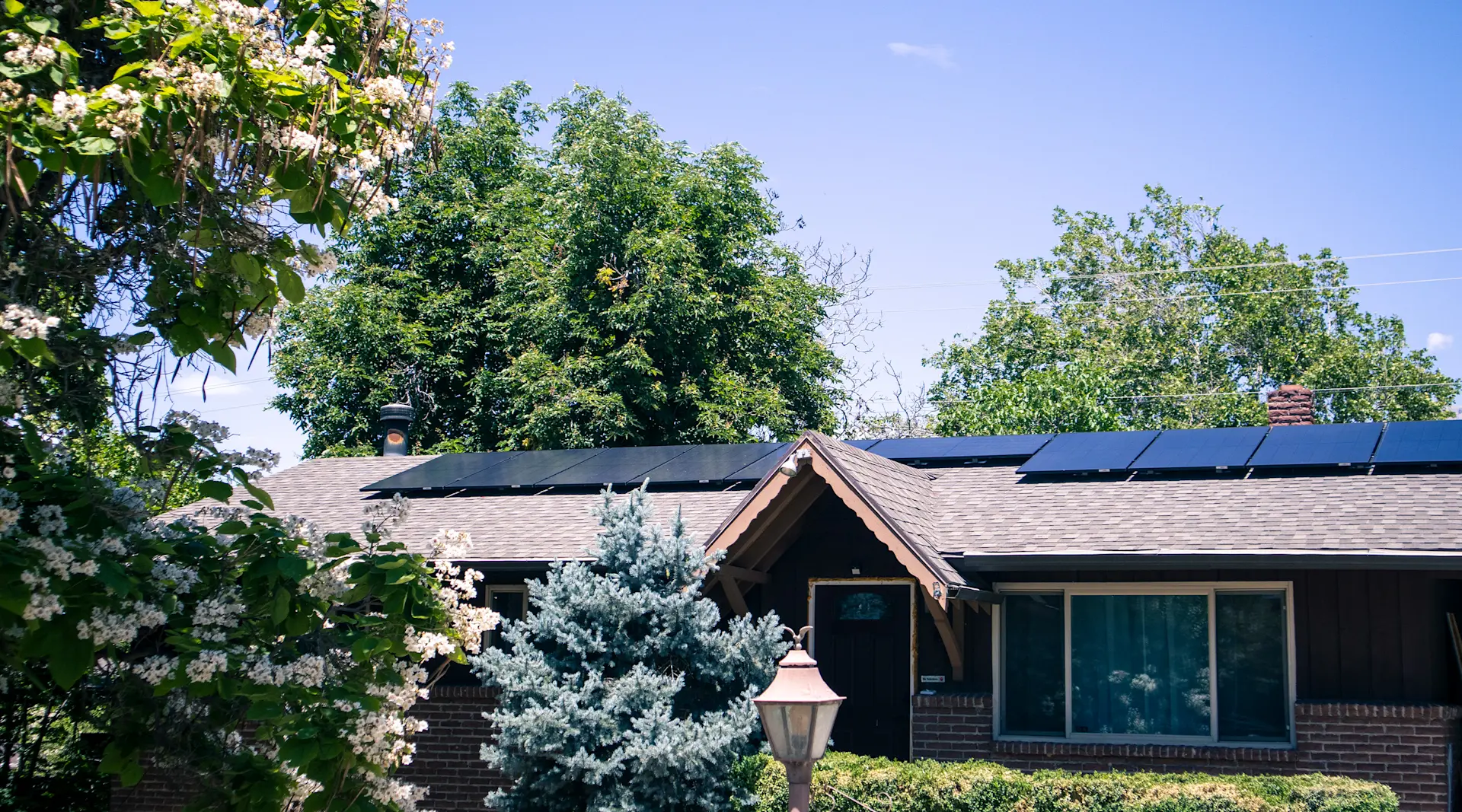
The United States Energy Information Administration released a report in May of 2025 detailing the current condition of utility prices in the country. This report revealed that utility prices are rising faster than the rate of inflation and have been for years, despite the fact that nominal prices for many fuels have declined.¹ The truth for many homeowners is that utility prices are becoming increasingly difficult to keep up with, and many are in need of new solutions. Residential solar solutions are offering many homeowners another option for electricity resources that have the potential to aid against rising utility costs. Here are a few of the other financial benefits that are possible:
Solar energy installations may offset a portion of home energy usage and consequently reduce overall costs.
Solar energy installations may offset a portion of home energy usage and consequently reduce overall costs.
Utility costs are expected to continue rising as they have in the past1; solar power can often help homeowners establish a more predictable future of energy costs.
Though the Federal Investment Tax Credit is no longer available to homeowners, many states and even some utility providers offer property and tax exemptions, rebates, and solar exchange programs such as net-metering, to lower upfront costs and reward clean energy generation. Program availability and terms vary by location and may change.
Many recent studies have suggested that homes with solar installations have an advantage in the market and may sell at higher prices than comparable homes without. Actual impact varies by market, system, and buyer preferences.
The United States Energy Information Administration released a report in May of 2025 detailing the current condition of utility prices in the country. This report revealed that utility prices are rising faster than the rate of inflation and have been for years, despite the fact that nominal prices for many fuels have declined.¹ The truth for many homeowners is that utility prices are becoming increasingly difficult to keep up with, and many are in need of new solutions. Residential solar solutions are offering many homeowners another option for electricity resources that have the potential to aid against rising utility costs. Here are a few of the other financial benefits that are possible:
Solar energy installations may offset a portion of home energy usage and consequently reduce overall costs.
Solar energy installations may offset a portion of home energy usage and consequently reduce overall costs.
Utility costs are expected to continue rising as they have in the past1; solar power can often help homeowners establish a more predictable future of energy costs.
Though the Federal Investment Tax Credit is no longer available to homeowners, many states and even some utility providers offer property and tax exemptions, rebates, and solar exchange programs such as net-metering, to lower upfront costs and reward clean energy generation. Program availability and terms vary by location and may change.
Many recent studies have suggested that homes with solar installations have an advantage in the market and may sell at higher prices than comparable homes without. Actual impact varies by market, system, and buyer preferences.
The United States Energy Information Administration released a report in May of 2025 detailing the current condition of utility prices in the country. This report revealed that utility prices are rising faster than the rate of inflation and have been for years, despite the fact that nominal prices for many fuels have declined.¹ The truth for many homeowners is that utility prices are becoming increasingly difficult to keep up with, and many are in need of new solutions. Residential solar solutions are offering many homeowners another option for electricity resources that have the potential to aid against rising utility costs. Here are a few of the other financial benefits that are possible:
Solar energy installations may offset a portion of home energy usage and consequently reduce overall costs.
Solar energy installations may offset a portion of home energy usage and consequently reduce overall costs.
Utility costs are expected to continue rising as they have in the past1; solar power can often help homeowners establish a more predictable future of energy costs.
Though the Federal Investment Tax Credit is no longer available to homeowners, many states and even some utility providers offer property and tax exemptions, rebates, and solar exchange programs such as net-metering, to lower upfront costs and reward clean energy generation. Program availability and terms vary by location and may change.
Many recent studies have suggested that homes with solar installations have an advantage in the market and may sell at higher prices than comparable homes without. Actual impact varies by market, system, and buyer preferences.
Request a free SunPower consultation today.
Request a free SunPower consultation today.
Request a free SunPower consultation today.
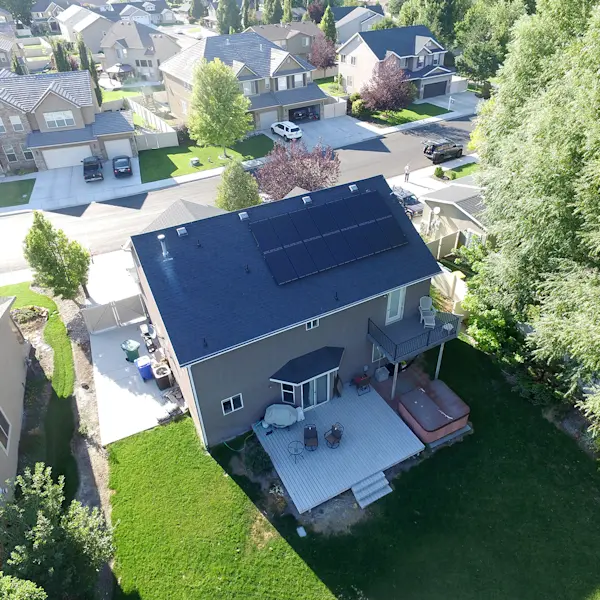
Authorities such as the U.S. Department of Energy have expressed continued confidence in the importance of clean energies being employed to protect the future of our citizens and the environment we live in. On energy.com, the Department of Energy cited a study from the Lawrence Berkeley National Lab released in 2024, showing that solar and wind installations generating energy between 2019 and 2022 saved the U.S. $246 billion and prevented 1,200 to 1,600 premature deaths.2 While the issue of environmental impact by solar is a complicated one, there are a few benefits that are certain:
Solar panels produce no greenhouse gases during operation.
Solar helps communities and individual homes reduce reliance on fossil fuels and decrease their carbon footprint.
Large solar installations and widespread adoption of solar help improve air quality in communities and contribute to state and national renewable energy goals.
Authorities such as the U.S. Department of Energy have expressed continued confidence in the importance of clean energies being employed to protect the future of our citizens and the environment we live in. On energy.com, the Department of Energy cited a study from the Lawrence Berkeley National Lab released in 2024, showing that solar and wind installations generating energy between 2019 and 2022 saved the U.S. $246 billion and prevented 1,200 to 1,600 premature deaths.2 While the issue of environmental impact by solar is a complicated one, there are a few benefits that are certain:
Solar panels produce no greenhouse gases during operation.
Solar helps communities and individual homes reduce reliance on fossil fuels and decrease their carbon footprint.
Large solar installations and widespread adoption of solar help improve air quality in communities and contribute to state and national renewable energy goals.
Authorities such as the U.S. Department of Energy have expressed continued confidence in the importance of clean energies being employed to protect the future of our citizens and the environment we live in. On energy.com, the Department of Energy cited a study from the Lawrence Berkeley National Lab released in 2024, showing that solar and wind installations generating energy between 2019 and 2022 saved the U.S. $246 billion and prevented 1,200 to 1,600 premature deaths.2 While the issue of environmental impact by solar is a complicated one, there are a few benefits that are certain:
Solar panels produce no greenhouse gases during operation.
Solar helps communities and individual homes reduce reliance on fossil fuels and decrease their carbon footprint.
Large solar installations and widespread adoption of solar help improve air quality in communities and contribute to state and national renewable energy goals.

Perhaps one of the greatest contributions of residential solar installations is the potential for independence and self-reliance:
Solar generation allows homeowners to produce their own power, and this can reduce dependence upon the utility grid.
Pairing solar panels with solar storage solutions may allow your home to remain powered and comfortable even during outages.
For those who live in areas subject to frequent storms, dangerous weather conditions, or grid disruptions, solar panels with storage systems may offer resilience and peace of mind.
Perhaps one of the greatest contributions of residential solar installations is the potential for independence and self-reliance:
Solar generation allows homeowners to produce their own power, and this can reduce dependence upon the utility grid.
Pairing solar panels with solar storage solutions may allow your home to remain powered and comfortable even during outages.
For those who live in areas subject to frequent storms, dangerous weather conditions, or grid disruptions, solar panels with storage systems may offer resilience and peace of mind.
Perhaps one of the greatest contributions of residential solar installations is the potential for independence and self-reliance:
Solar generation allows homeowners to produce their own power, and this can reduce dependence upon the utility grid.
Pairing solar panels with solar storage solutions may allow your home to remain powered and comfortable even during outages.
For those who live in areas subject to frequent storms, dangerous weather conditions, or grid disruptions, solar panels with storage systems may offer resilience and peace of mind.
talk to a SunPower expert today.
talk to a SunPower expert today.
talk to a SunPower expert today.

© 2026 SunPower Inc. All rights reserved.